A significant disagreement has emerged between the U.S. Department of Energy and the International Code Council over the direction and affordability of residential energy codes. On June 26, 2026, DOE released a new analysis concluding that nationwide adoption of the residential provisions of the 2024 International Energy Conservation Code could add more than $9.2 billion annually to construction costs when compared with 2006 code requirements. DOE also estimated cumulative added costs exceeding $127 billion and stated that the cost of a typical new single-family home could rise by as much as $14,000. In many states, according to DOE, homeowners could wait more than a decade—and in some cases more than 20 years—to recover those added costs through projected energy savings.
DOE Senior Policy Advisor Michael Sangaline recently carried that message into the ASHRAE standards arena. During ASHRAE’s annual conference, he reportedly told members of the Standard 90.1 committee and ASHRAE leadership that DOE’s priorities are “transparency, affordability, and consumer choice.” Industry representatives also reported that DOE presently has fewer concerns with ASHRAE’s process and with the use of Standard 90.1 for commercial buildings than it does with the residential IECC process.
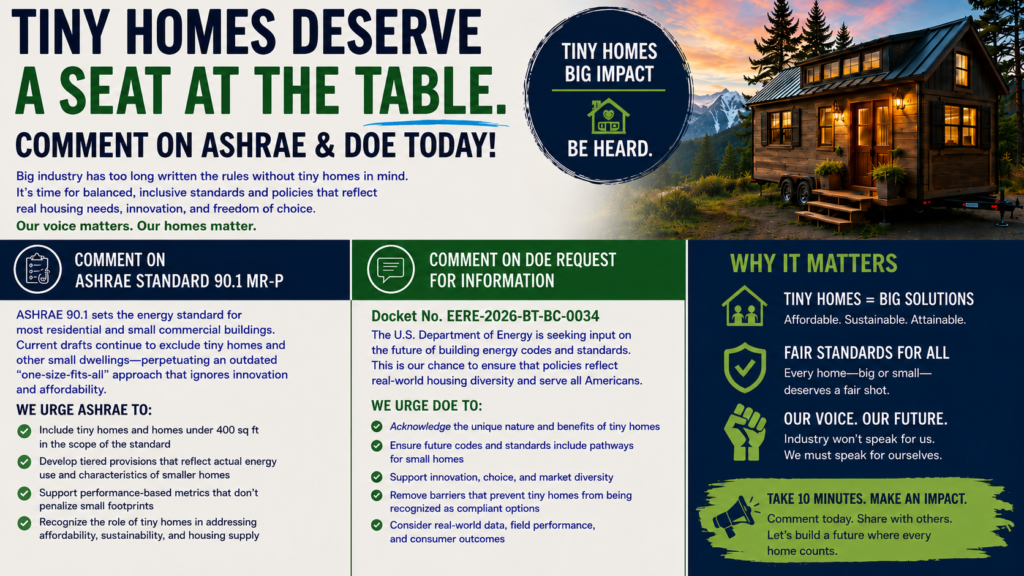
In response, ASHRAE has indicated they will develop a new energy standard for low-rise residential buildings in competition with the IECC. The draft title, purpose, and scope (TPS) has been posted here for download (docx) and is available for public comment through August 9. This is a developing situation which NGA’s Advocacy Team is closely monitoring, as it could have significant impact on future energy code development and adoption around the country.
ASHRAE Seeks Committee Members And Comments: Deadline August 9, 2026
ASHRAE announces a call for members and call for comments on title, purpose and scope for the new residential Standard 90.1MR: Standard for Minimum Energy Requirements for Low-Rise Residential Buildings.
The purpose of this standard is to provide cost-justified minimum requirements for the energy-efficient design and construction of new residential buildings three stories or less above grade and for major renovations to existing residential buildings three stories or less above grade, considering first costs, economic impacts, and expected energy savings. This standard is intended to include a performance and simple prescriptive path to achieve the objectives for a minimum standard which balances first cost and operational costs for an affordable housing solution.
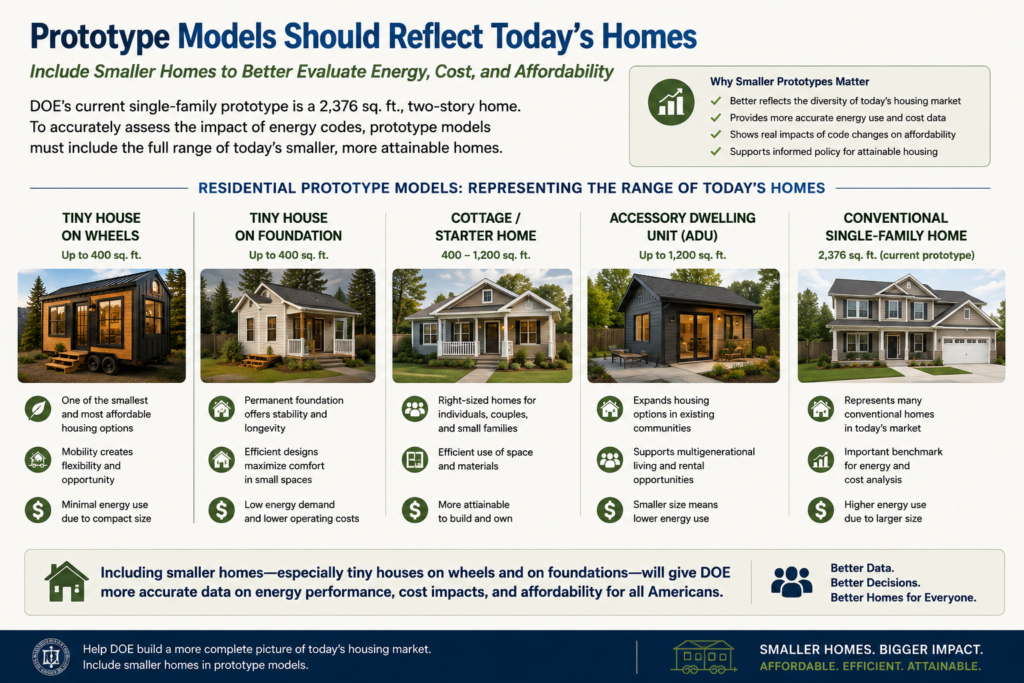
DOE Seeks Comments Cost Effective Building Energy Codes: Deadline August 3, 2026
From The US Department Of Energy- June 26, 2026- ”WASHINGTON—”The U.S. Department of Energy (DOE) today released a new analysis finding that nationwide adoption of the 2024 International Energy Conservation Code (IECC) would significantly increase housing construction costs and burden American families with costly Green New Scam mandates. DOE’s analysis found that the 2024 IECC would increase residential construction costs by more than $9.2 billion annually compared to the 2006 code levels, adding more than $127 billion in cumulative costs nationwide.
”If states choose to update their energy codes to the 2024 IECC, construction costs for a typical single-family home could increase by as much as $14,000. These costly mandates force American families to pay thousands of dollars more upfront for a new home, while projected energy savings may take decades to materialize. In most states, estimated payback periods exceed 10 years, with some exceeding 20 years—locking American families into decades-long repayment timeframes and restricting consumer choice.
“American families should not be forced to pay more for a home because of nonsensical energy-related mandates,” said U.S. Energy Secretary Chris Wright. “For too long, climate activists have pushed regulations that increase housing costs, reduce consumer choice, and make it harder for Americans to build and own a home. Thankfully, President Trump will continue fighting for the American people so they can enjoy affordable energy access and the ability to buy the home they desire with the features they choose.”
“This analysis shows how unnecessary regulations and ineffective building codes have drastically increased housing costs with little to no benefit for homeowners or communities,” said Assistant Secretary of Energy (EERE) Audrey Robertson. “An average payback period of 11 years—as long as 22 years in some cases—for new residential building codes is unacceptable.
Please comment on both the ASHRAE standard and the DOE request for comments, so tiny houses can be brought to the table for discussion. BIG industry has been suppressing smaller houses and it is up to us to have our voice heard.